


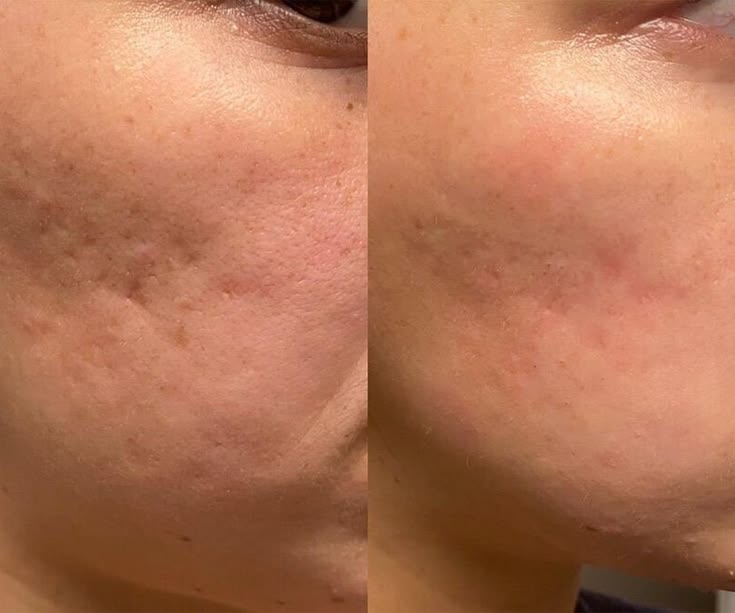
Microneedling vs. Lasers: Which Acne Scar Treatment is Right for Your Skin?
Acne scars can affect skin texture, confidence, and overall appearance long after breakouts have disappeared. While skincare products can improve skin health, deeper scars often require professional treatments that stimulate collagen production and remodel damaged skin.
Two of the most popular options for acne scar improvement are microneedling and laser resurfacing. Both treatments encourage the skin’s natural healing process, but they work in different ways and are better suited for different scar types, skin tones, and goals.
Understanding the differences between Acne Scars The Woodlands microneedling and lasers can help you decide which treatment may be the right choice for your skin.
Understanding Acne Scar Types
Before choosing a treatment, it is important to understand the type of acne scars you have.
Common types include:
Icepick Scars
Icepick scars are narrow, deep holes that extend into the skin. They are often difficult to treat because they involve significant tissue loss.
Boxcar Scars
Boxcar scars are wider depressions with defined edges. They can be shallow or deep and often appear on the cheeks.
Rolling Scars
Rolling scars create uneven, wave-like skin texture caused by scar tissue pulling the skin downward.
Different scar types respond differently to treatments, which is why a personalized approach is important.
How Microneedling Works for Acne Scars
Microneedling is a minimally invasive treatment that uses tiny needles to create controlled micro-injuries in the skin. These small injuries activate the body’s natural repair process, encouraging new collagen and elastin production.
As collagen develops, the skin becomes smoother, firmer, and more evenly textured.
Benefits of Microneedling
Microneedling offers several advantages:
- Stimulates natural collagen production
- Improves mild to moderate acne scars
- Helps reduce uneven texture
- Requires less downtime compared to many laser treatments
- Can be suitable for a wide range of skin tones
Microneedling is particularly effective for:
- Mild boxcar scars
- Rolling scars
- Enlarged pores
- Overall skin texture improvement
Many dermatologists combine microneedling with treatments such as platelet-rich plasma (PRP) to enhance skin regeneration.
How Laser Resurfacing Works for Acne Scars
Laser resurfacing uses concentrated light energy to remove damaged skin layers or create controlled injuries beneath the surface. This stimulates collagen remodeling and encourages healthier skin formation.
There are two main categories of laser treatments:
Ablative Lasers
Ablative lasers remove portions of the skin’s surface and create stronger resurfacing effects.
Examples include:
- Fractional CO2 laser
- Erbium laser
These treatments can provide significant improvement for deeper scars but usually involve more downtime.
Non-Ablative Lasers
Non-ablative lasers heat deeper layers of the skin without removing the surface.
They generally require less recovery time but may need more sessions to achieve visible results.
Microneedling vs. Lasers: Key Differences
Treatment Intensity
Laser resurfacing is generally more aggressive because it uses heat energy to remodel the skin. Microneedling creates physical micro-injuries without removing skin layers.
People with deeper scars may benefit more from laser treatments, while those with mild to moderate scarring may see excellent results with microneedling.
Downtime and Recovery
Microneedling typically involves shorter recovery.
Common effects include:
- Redness
- Mild swelling
- Sensitivity
- Temporary dryness
These usually improve within a few days.
Laser treatments may involve:
- More redness
- Peeling
- Swelling
- Longer healing periods
Ablative lasers can require several days or weeks of recovery depending on treatment intensity.
Results and Improvement
Both treatments stimulate collagen, but the level of improvement depends on scar severity.
Microneedling can gradually improve:
- Skin smoothness
- Fine texture issues
- Shallow acne scars
Lasers may provide stronger results for:
- Deep boxcar scars
- Severe texture irregularities
- Significant collagen loss
Which Treatment Is Better for Different Skin Types?
Skin tone plays an important role when selecting an acne scar treatment.
People with darker skin tones may have a higher risk of post-inflammatory hyperpigmentation after certain laser procedures. Microneedling is often considered a safer option for many darker skin types because it does not rely on heat energy.
However, modern laser technology and customized settings have made laser treatments safer for a wider range of patients when performed by experienced professionals.
A dermatologist can evaluate your skin type and recommend the safest approach.
Can You Combine Microneedling and Laser Treatments?
In some cases, combining treatments may produce better results than choosing only one method.
A customized acne scar plan may include:
- Microneedling for collagen stimulation
- Laser resurfacing for texture refinement
- Subcision for deep scar release
- Chemical treatments for targeted scars
Combination therapy is especially useful when someone has multiple scar types.
Factors to Consider Before Choosing a Treatment
When deciding between microneedling and lasers, consider:
Scar Depth
Deep scars often require stronger treatments or combination approaches.
Skin Sensitivity
Sensitive skin may tolerate microneedling better than aggressive resurfacing.
Recovery Time
If you need minimal downtime, microneedling may be more convenient.
Desired Results
Laser resurfacing may provide faster and more dramatic improvement, while microneedling offers gradual natural-looking changes.
Budget
Treatment costs vary depending on location, provider experience, and the number of sessions required.
How Many Sessions Are Needed?
Acne scar improvement usually requires patience because collagen remodeling takes time.
Microneedling often requires several sessions spaced weeks apart.
Laser treatments may require fewer sessions but involve more intensive recovery.
Results continue improving for months as new collagen develops.
Final Thoughts
Both microneedling and laser resurfacing can significantly improve acne scars, but the best choice depends on your scar type, skin tone, treatment goals, and recovery preferences.
Microneedling is an excellent option for gradual collagen stimulation, mild to moderate scarring, and patients looking for less downtime. Laser resurfacing may be better for deeper scars and those seeking more dramatic texture improvement.
The most effective acne scar treatment is not always the strongest option—it is the one that matches your skin’s needs. Consulting with a qualified dermatologist can help create a personalized plan that delivers safer and more effective results.
